
Coffee flavor does not begin at the café counter. It starts at the farm and keeps changing through harvest, processing, storage, roasting, packaging, freshness, and brewing.
What Shapes the Cup
Coffee flavor does not begin at the café counter. It starts at the farm, then keeps changing through harvest, processing, storage, roasting, packaging, freshness, grinding, water, and brewing.That may sound like a lot for one little bean. It is. Coffee has been on quite a journey before it meets your mug.This page is the quick version of that story: the useful bits that help explain why one coffee tastes bright and juicy, another tastes deep and chocolatey, and another somehow tastes like it has given up halfway through the commute.
Origin Matters
Where coffee grows helps shape its personality. The country, region, altitude, climate, variety, and soil can influence whether a coffee leans more toward citrus, berries, chocolate, nuts, florals, or something in between. Think of origin as the coffee’s hometown. It does not decide everything, but it gives the bean its starting character. This is the most overlooked information in the popular world of the commodity coffee industry
Process Matters
After harvest, the fruit around the seed has to be removed. That method—washed, natural, honey, or another processing style—can change the cup dramatically.Washed coffees often feel cleaner and brighter. Naturals can be fruitier, heavier, and a little wilder. Honey processes often land somewhere in the pleasantly sticky middle. None is automatically “best”; it is more like choosing between a crisp apple, berry jam, or caramel.
Freshness Matters
Roasted coffee does not stay frozen in time. It releases carbon dioxide after roasting, then slowly loses aroma and flavor as it meets oxygen, heat, light, and moisture.A roast date, sensible packaging, and proper storage are not fancy extras. They help the coffee taste more like the roaster intended. Whole beans in a sealed, valved bag, stored somewhere cool and dark, are usually a safer bet than coffee sitting in a clear bin under bright lights.
It Starts Before Roasting
Before the Roast, There Is a Farm
Specialty coffee begins with careful choices at origin. The coffee species, variety, growing conditions, and harvest timing all matter. Coffee cherries do not ripen like a switch flipping on—one branch can hold ripe fruit, unripe fruit, and overripe fruit at the same time.The best coffees usually come from people paying attention early: picking ripe cherries, sorting carefully, and protecting quality before the beans ever leave the farm.That is why origin details are worth noticing on a coffee bag. A named country is helpful. A region, farm, cooperative, variety, harvest information, or processing method tells an even fuller story. It is not just label decoration; it is a clue that someone knows where the coffee came from and cared enough to say so. Coffee’s path from harvest through processing and roasting is central to its eventual flavor.
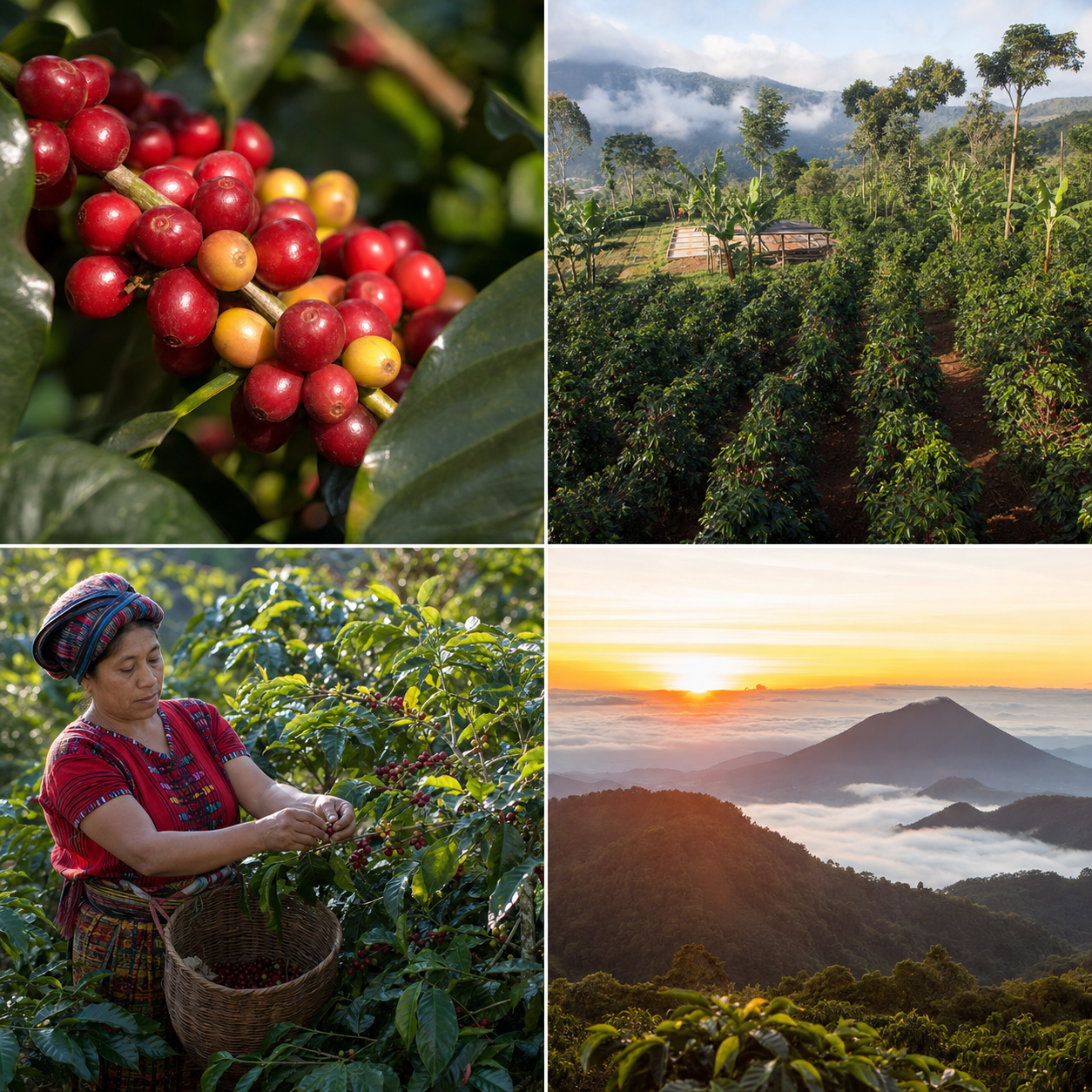
That is one reason better coffee often tastes more distinct and less muddy. Someone paid attention early, and the cup tends to show it.
Processing Changes Everything
The Bean Has to Leave the Cherry Somehow
A coffee bean starts life inside a sweet fruit called a coffee cherry. Once picked, the fruit needs to be removed and the seed dried safely. This is where processing comes in—and where a coffee can begin heading toward clean and crisp, sweet and syrupy, or big and fruit-forward.
Washed: clean and clear
In a washed process, much of the fruit is removed before drying. These coffees often let origin character come through clearly—think citrus, tea-like florals, stone fruit, or a tidy kind of sweetness. They are a great starting point if you want to tastes the comparision.
Natural: fruity and full
In a natural process, the whole cherry dries around the seed. Done well, this can create fuller body and vivid fruit notes: blueberry, strawberry, tropical fruit, or winey sweetness. Done poorly, it can get funky in a way nobody asked for.
Honey: the middle path
Honey-processed coffee dries with some sticky fruit layer still attached. It can combine some washed-coffee clarity with extra sweetness and body. Despite the name, no actual honey is involved. Coffee has enough going on already.
Experimental
Anaerobic, carbonic maceration, thermal shock, and other modern processing methods can produce striking flavors. They can also become louder than the coffee itself. A fun process is a tool, not a guarantee of greatness.
Practical takeaway callout
Try this: If you normally buy washed coffee, pick up one natural-process coffee from the same country or roaster. You will get a quick lesson in how processing can change the cup—without having to memorize a single chart.Post-harvest processing and drying are major stages in preserving and shaping the green bean before roasting
Storage and Roasting
Roasting Should Reveal, Not Erase
Green coffee can spend months traveling, resting, and waiting before it is roasted. Good storage matters because coffee is agricultural, not immortal. If green beans are exposed to poor conditions for too long, they can lose some of the character that made them worth buying in the first place.Then comes roasting—the part most people see as the whole story. It matters a great deal, but it cannot magically turn average coffee into remarkable coffee. A skilled roast aims to develop sweetness and make the coffee pleasant to brew while preserving what was interesting about the bean in the first place.A darker roast can bring more roast-driven flavors: cocoa, toasted nuts, caramel, and bitterness. A lighter roast may keep more of the coffee’s origin character visible: fruit, florals, acidity, and complexity. Neither is automatically superior. The goal is balance, not proving how dark or light you can go.James Hoffmann’s approach is a useful one: roasting should preserve and reveal what is good in the coffee rather than cover it with one generic roast flavor.
Short callout
Good roasting is not camouflage.
If every coffee tastes smoky, bitter, and vaguely like the inside of a toaster, the origin has probably lost the conversation.
Freshness Isn’t One Day
Fresh Is Good. Too Fresh Can Be Awkward.
Coffee starts releasing carbon dioxide as soon as it is roasted. For the first few days, that gas can make brewing a little unpredictable—especially for espresso. After a short rest, the cup often becomes easier to brew and more balanced.There is no one perfect day for every coffee. Roast level, brew method, packaging, and personal taste all play a part. But the important thing is this: roast date matters more than a vague “best by” date printed far into the future.For most home coffee drinkers, buy whole beans with a visible roast date, let them rest briefly if they are extremely fresh, and use them while they still smell lively and taste clear. Keep the bag sealed in a cool, dark cupboard—not the refrigerator, not the counter in direct sun, and preferably not next to the spice cabinet unless you enjoy accidental cumin notes. Coffee’s key freshness enemies are air, heat, light, and moisture; ground coffee stales faster because more surface area is exposed

turn your phone horizontal to view the table.
The Last Mile
Your Kitchen Gets the Final Vote
Even excellent coffee can be made disappointing by stale grounds, poor water, the wrong grind, or a brewing method that does not fit the coffee. Fortunately, this is the part you can control tomorrow morning.
Grinding right before brewing keeps more aroma in the coffee. Water matters because it makes up nearly the entire drink. A cleaner brewer and a sensible coffee-to-water ratio give you a much better chance of tasting what you paid for.
You do not need a laboratory, a scale with a personality disorder, or twelve matching kettles. Start with fresh whole beans, grind just before brewing if you can, use decent-tasting water, and keep your equipment clean. Those few moves get you surprisingly far.
Grind close to brew time
Pre-ground coffee is convenient, but it loses aroma faster. If you own a grinder, use it. If not, buy smaller bags of ground coffee more often.
Use water you would drink
If your tap water tastes unpleasant on its own, it will not become more charming after meeting coffee. Filtered water is often an easy upgrade.
Match the method
A French press highlights body. A pour-over can bring out clarity. Espresso concentrates everything. Try the same coffee in two methods and see which version you enjoy more.Grinding, water composition, and extraction are separate but connected stages in getting coffee from roasted bean to beverage.
So, What Makes Coffee “Better”?
Usually, it is not one dramatic secret. It is a chain of thoughtful decisions: ripe cherries, careful processing, proper storage, capable roasting, honest packaging, sensible freshness, and a brew that gives the coffee a fair chance.That is why I look beyond the front of the bag. I want to know where the coffee came from, how it was processed, when it was roasted, and whether the people selling it seem to care about the details that shape the actual cup.You do not need to chase perfection. Just start noticing the clues. Better coffee is often less about becoming fussy and more about giving yourself a better shot at a cup you genuinely look forward to drinking.