
How Freshness Changes the Cup
Freshness affects aroma, balance, and clarity more than most people realize. It also explains that satisfying little coffee miracle at the start of a pour-over: the grounds puff up, hiss, bubble, and briefly look like they have plans to escape the dripper.
Coffee does not go from fresh to stale overnight. But after roasting, it begins changing right away—slowly losing gas, aroma, and some of the lively character that made the coffee interesting in the first place. The first few weeks matter most: the Specialty Coffee Association notes that carbon-dioxide loss happens rapidly for roughly the first 20 days after roasting, then slows significantly; as a broad guide, whole-bean coffee can reasonably be considered fresh for about three weeks after roast.
What fresh coffee brings
When a coffee is in a good freshness window, you are more likely to notice what makes it worth drinking:
More aroma
Open the bag or add hot water and the coffee smells vivid—chocolatey, nutty, fruity, floral, caramel-like, or simply like the sort of morning you are willing to participate in
Better balance
Sweetness, brightness, and body have room to work together. A bright coffee tastes lively instead of sour; a darker coffee tastes rich instead of just roasted into submission.
More clarity
Flavor notes are easier to pick apart. You may taste cocoa, a little berry, and a clean finish rather than one flat, generic “coffee” flavor.
pleasant finish
Flavor notes are easier to pick apart. You may taste cocoa, a little berry, and a clean finish rather than one flat, generic “coffee” flavor.
Freshness is not a guarantee of a perfect cup. A coffee can be wonderfully fresh and still be roasted poorly, brewed badly, or simply not to your taste. But freshness gives good coffee a fair chance to show you what it has
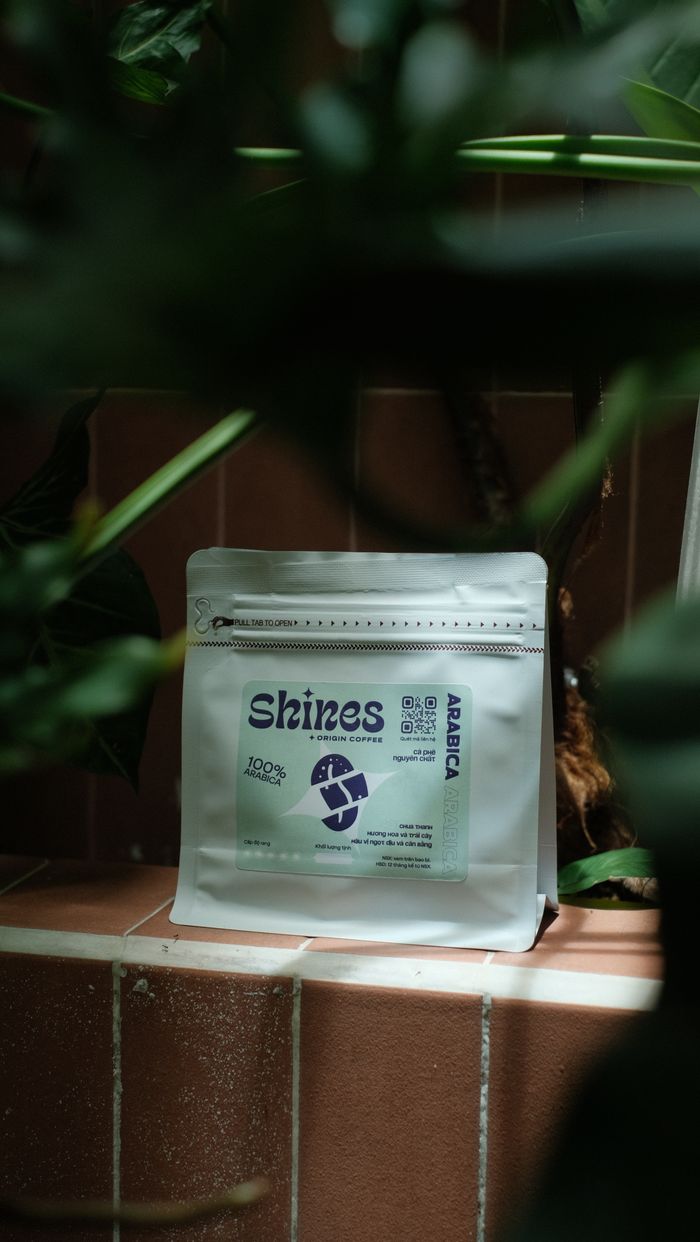
Coffee’s biggest enemies after roasting are oxygen, heat, light, moisture, and unnecessary exposure to the air. That is why open bulk bins, clear containers under bright shop lights, and bags that have been sitting around for ages are not exactly giving the beans their best chance. Good packaging slows the decline and helps the coffee keep tasting like itself.
Why fresh coffee blooms
Roasting creates a large amount of carbon dioxide, or CO₂, inside the bean. Much of that gas remains trapped in the coffee’s tiny porous structure when it is newly roasted.
When you grind the beans, you expose far more surface area. Then, when hot water hits the grounds, that remaining CO₂ escapes quickly. The result is the bloom: the bed swells, bubbles, hisses, and sometimes rises into a puffy dome that looks far more dramatic than a quiet morning beverage has any right to be.
A fresher coffee usually has more retained CO₂, so it often produces a bigger bloom. Older coffee has already released much of that gas, so it tends to wet more quietly and sit flatter in the brewer. That does not make bloom height a perfect freshness test—roast level, grind size, coffee density, dose, processing, and how evenly you pour all matter too—but it is a useful clue.

A big bloom is not everything
A powerful bloom usually means the coffee is recently roasted. It does not automatically mean the coffee is at peak flavor or will brew perfectly.
Coffee that is extremely fresh can be harder to extract evenly. Excess CO₂ can resist water penetration, creating dry pockets in the bed and making it harder for water to reach all of the grounds consistently. In the cup, that can show up as a pour-over that tastes sharp, hollow, underdeveloped, or frustratingly inconsistent—even though the bloom looked impressive enough to deserve applause
That is why the bloom pause matters. It gives the coffee a moment to exhale before the main brew begins, helping water reach the grounds more evenly
Think of it this way: blooming is not a theatrical performance. It is the coffee getting some air out of the way so it can actually brew.
What to Know About the Bloom
The goal is not to create the tallest possible dome. The goal is even saturation and a more even extraction. A modest bloom can still make excellent coffee; a giant bloom can still make a messy one if the grounds are not properly wet.
Freshness and resting
“Freshly roasted” sounds like it should mean “brew it immediately.” In practice, coffee usually benefits from a little rest after roasting.
Lighter roasts and dense coffees often benefit from more rest, while darker roasts usually degas faster. Espresso often needs the longest wait because finely ground coffee and high-pressure brewing make excess gas more disruptive. Treat the table as a starting point, then taste and adjust. If a coffee tastes sharp, hollow, or hard to brew evenly, it may simply need a few more days
Freshness Isn’t One Day
Fresh Is Good. Too Fresh Can Be Awkward.
Coffee starts releasing carbon dioxide as soon as it is roasted. For the first few days, that gas can make brewing a little unpredictable—especially for espresso. After a short rest, the cup often becomes easier to brew and more balanced.There is no one perfect day for every coffee. Roast level, brew method, packaging, and personal taste all play a part. But the important thing is this: roast date matters more than a vague “best by” date printed far into the future.For most home coffee drinkers, buy whole beans with a visible roast date, let them rest briefly if they are extremely fresh, and use them while they still smell lively and taste clear. Keep the bag sealed in a cool, dark cupboard—not the refrigerator, not the counter in direct sun, and preferably not next to the spice cabinet unless you enjoy accidental cumin notes. Coffee’s key freshness enemies are air, heat, light, and moisture; ground coffee stales faster because more surface area is exposed
Roast dates and packaging
A roast date tells you when the coffee was roasted. That is much more useful than a vague “best by” date, which may still be months away when the coffee has already lost much of its character.
Packaging matters because oxygen, heat, light, moisture, and repeated exposure to air all speed up the loss of freshness. A sealed bag with a valve helps slow that process. Coffee in open bins or clear containers under bright shop lights is working with a bit of a disadvantage before you ever take it home. CoffeeCharmer treats a roast date and sensible packaging as two of the clearest signs that a roaster respects freshness rather than merely printing the word on a bag
The Takeway
Fresh coffee is not necessarily coffee roasted yesterday. The sweet spot is often coffee that has had enough time to settle, but not enough time to lose its spark.
Buy coffee with a roast date. Give it a few days of rest. Use a simple bloom when brewing pour-over. Store it well, buy amounts you can finish reasonably soon, and pay attention to how it changes from one week to the next.
Better coffee, not fussier coffee—and occasionally, a tiny coffee soufflé in your dripper.